 BDSM.tech the plain-English kink reference
 BDSM Consent: SSC vs RACK vs PRICK Explained

Three little acronyms come up the second anyone talks about consent in kink: SSC, RACK and PRICK. They sound like rival camps. They aren’t. Each one is a slightly different lens on the same core, which is informed, enthusiastic, ongoing consent that anyone can pull back at any moment. Where they differ is how they treat risk.
SSC: Safe, Sane, Consensual
The classic one. Play should be kept safe, done in a clear head (that’s the “sane” part), and fully consensual. It sets a deliberately conservative bar, which is exactly why it suits people who are new.
RACK: Risk-Aware Consensual Kink
Some kink can’t be made genuinely “safe”. RACK says so out loud. Rope suspension, breath play, heavy impact: all of it carries real risk. So instead of pretending otherwise, RACK asks everyone to be fully risk-aware and to consent knowing exactly what they’re signing up for. It arrived in 1999 as a direct objection, and what SSC had actually been drafted for in 1983, an organisation’s public statement of purpose rather than a bedroom checklist, explains most of why the objection landed.
PRICK: Personal Responsibility Informed Consensual Kink

PRICK adds a single idea. You own your choices and your risk, not just the top.
What they all require
- Negotiation before the scene: activities, hard limits, soft limits.
- A safe word (usually “red” to stop, “yellow” to ease off).
- Ongoing consent. A yes once is not a yes forever, and anyone can stop at any time.
Which framework should you use?
Honestly? Most experienced players carry all three in their head at once. But if you want a rule of thumb:
- New to kink? Start with SSC. The conservative bar keeps you out of trouble while you find your feet.
- Trying higher-risk play like rope suspension, breath play or heavy impact? RACK is the more honest frame, because nothing gets to pretend it’s perfectly safe and everyone consents to real, named risks.
- In an ongoing dynamic? PRICK adds the grown-up part: each person owns their choices, so nobody hands their whole safety over to the top.
Running a negotiation in practice

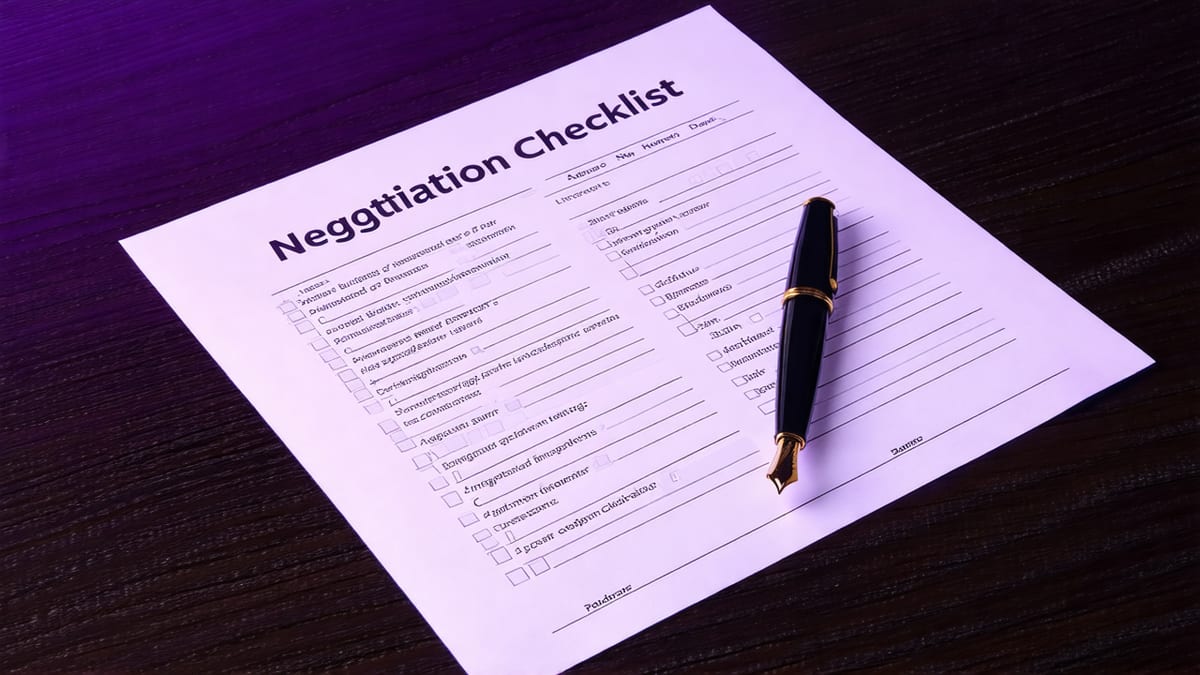
Any framework is only as good as the conversation underneath it. Before you play, actually talk it through. What’s on and off the menu tonight, hard versus soft limits, health flags like dodgy joints or old injuries or triggers, the safe word, and how you’ll handle aftercare. Our guide to talking about kinks turns that into a short routine you can reuse every time.
Consent is ongoing, not a starting gun
The biggest mistake people make is treating that pre-scene “yes” as permanent. It isn’t. Consent can be turned down or pulled entirely at any second, which is the whole reason “yellow” and “red” exist. A scene that keeps rolling after someone stops isn’t kink. It’s harm. And a good top watches the body too, not just the words, because a gagged partner or someone deep in subspace can’t always reach for one.
Consent is the ground everything else in the kinks list is built on. Pair this with talking about kinks with a partner, and for the part that comes after, BDSM aftercare.
FAQ
What is the difference between SSC and RACK?
SSC (Safe, Sane, Consensual) stresses keeping activities safe and avoiding harm. RACK (Risk-Aware Consensual Kink) accepts that some kink carries real risk and focuses on being fully informed about it.
What does PRICK stand for in BDSM?
PRICK means Personal Responsibility, Informed Consensual Kink: it adds that each person owns their own choices and risk.