 BDSM.tech the plain-English kink reference
 BDSM Safety: How to Play Without Getting Hurt
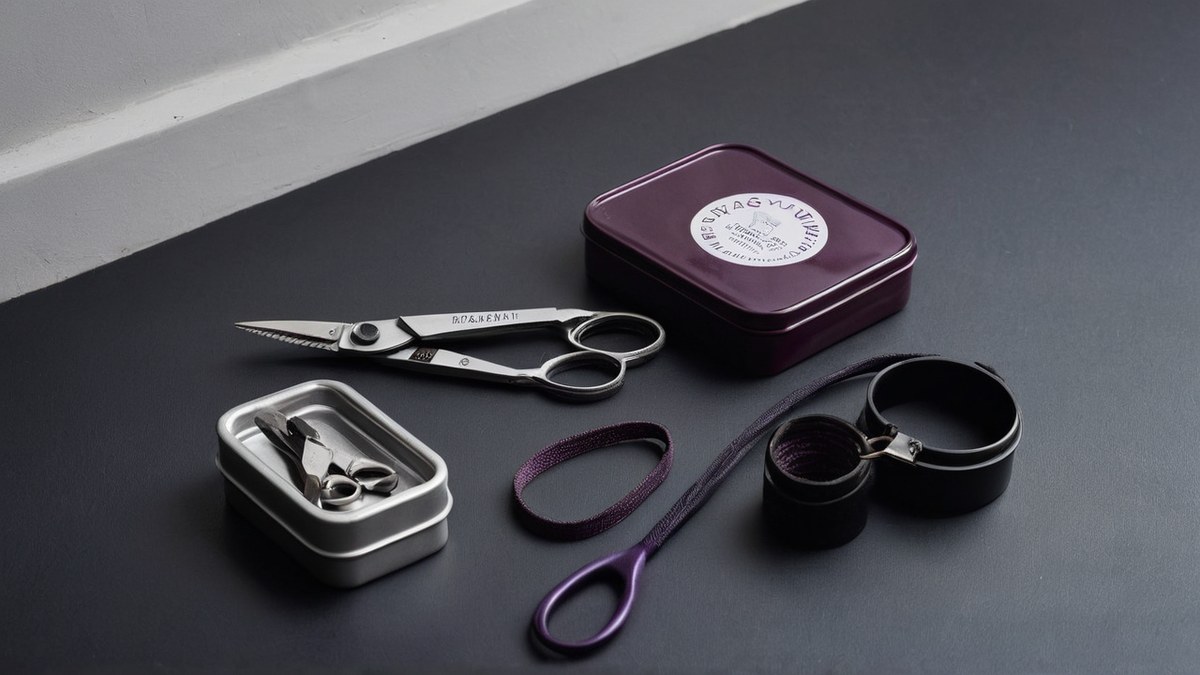
Consent covers one half of safe BDSM. Physical safety covers the other, and it’s the half people tend to skip. Good news, though: the overwhelming majority of BDSM injuries are avoidable once you know a handful of basics, and those basics carry across almost any kind of play.
Safety is the other half of consent
You can negotiate a scene perfectly and still hurt someone if you don’t know the physical risks. Safe play means knowing what can go wrong with this specific activity and building against it beforehand. That’s the risk-aware mindset sitting behind RACK.
Know your danger zones
The most useful thing to carry in your head is where not to strike or bind.
- Impact: keep to fleshy areas. Avoid the kidneys, spine, tailbone, joints, neck and head. See impact play safety.
- Bondage: watch circulation and nerves. Keep two fingers of slack, check hands and feet for warmth and colour, and never bind the neck. See bondage.
- Breath and edge play: genuinely dangerous, experienced-only, and never something to improvise.
Have the right kit

For any rope or restraint, keep safety shears (EMT scissors) within arm’s reach. Every single time. They cut a partner free in seconds when something goes wrong, and basic first-aid awareness plus a way to call for help rounds out the kit.
Sober, present, communicating
Play sober. Alcohol and drugs blunt your judgement and mask pain, which is the last thing you want while you’re reading a body for trouble. Stay present instead of drifting into your own head, check in constantly, and agree a safeword, plus a non-verbal signal for when a mouth might be covered.
When to stop
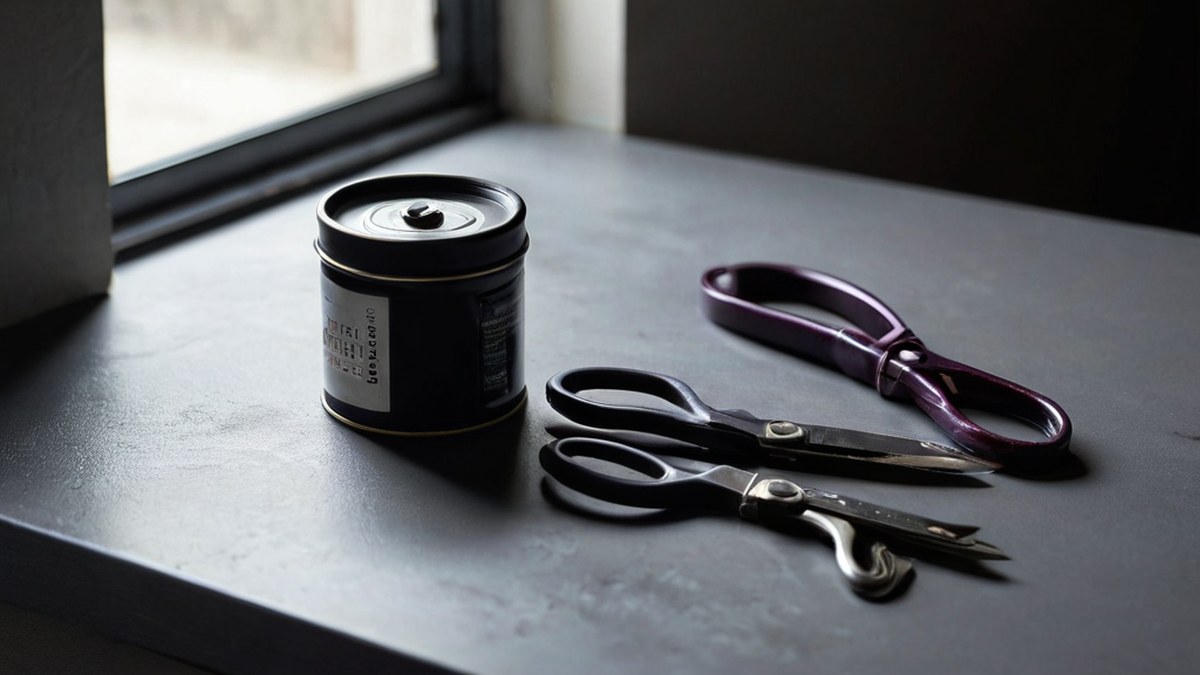
Stop the instant you see numbness, tingling, cold or discoloured extremities, a loss of grip, any breathing trouble, faintness, or a safeword. Untie first and ask questions later. Know your limits and treat them as real.
After the scene
Injuries and drops both have a habit of surfacing hours or even days later, so keep an eye out for each. Aftercare covers checking marks, keeping warm, and checking in over the next few days. Playing safe is simply what lets you keep playing.
FAQ
How do you stay safe during BDSM?
Know the risks of what you're doing, avoid dangerous body zones (kidneys, spine, joints, neck), keep safety scissors within reach for any bondage, watch for circulation and nerve problems, stay sober and present, agree a safeword, and stop the instant something feels wrong. Most BDSM injuries are avoidable with basic knowledge and attention.
What are the most common BDSM injuries?
The common ones are avoidable: nerve damage and lost circulation from bondage that's too tight or badly placed, bruising or worse from impact on unsafe areas like the kidneys or spine, and rope burns or falls. The most serious risks come from breath play and other edge play, which is why those are experienced-only.