 BDSM.tech the plain-English kink reference
 Pet Play Gear and Safety: Hoods, Mitts, Tails and Pony Tack
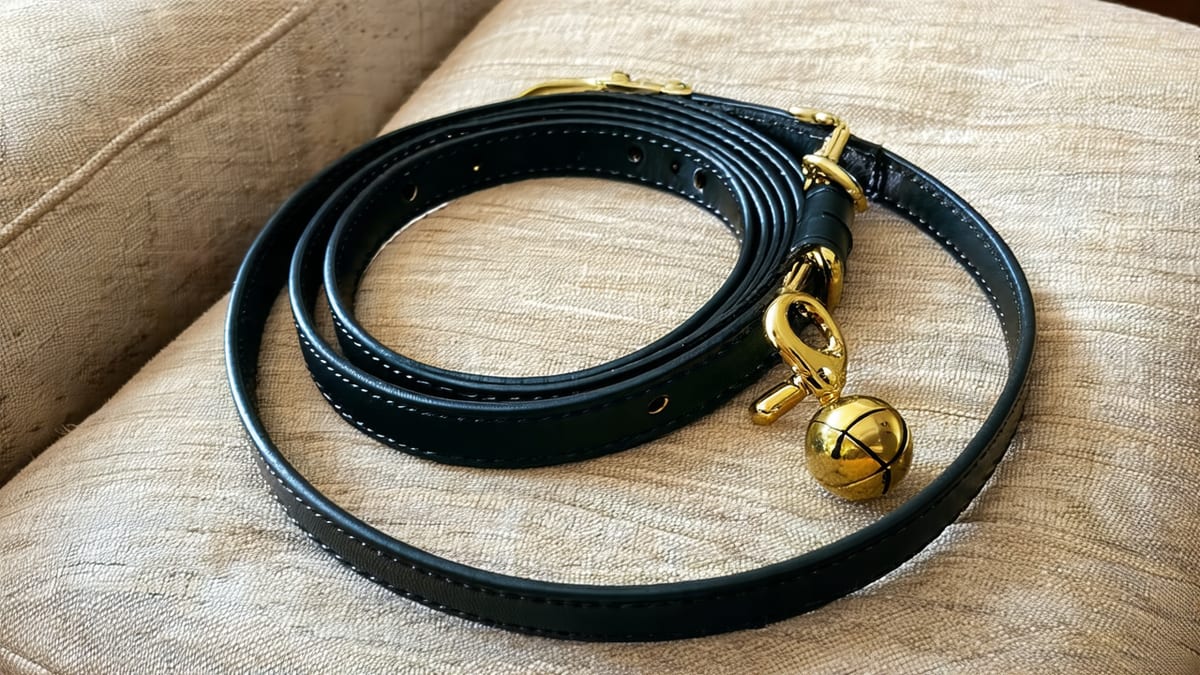
Someone drops to the floor, and the person they are for the next hour is a pup, a kitten, a pony. None of that requires a single piece of equipment, and yet pet play has one of the biggest gear cultures in kink. Here is what the kit actually is, style by style, and the handful of pieces that change what you have to keep an eye on.
The main styles
Pup play is by far the most visible, with a large social scene attached. Kitten play tends to run softer and more independent in character. Pony play is the most equipment-heavy and often the most formal, leaning hard on posture, training and display. Other personas exist, but those three hold most of the community.
Gear
Hoods and masks, mitts, collars and leads, tails, knee protection, and for pony play the tack and posture equipment. There’s a genuine hobby culture around it, with makers and real craft. None of it is required to begin; many start with nothing but a collar and an attitude.
Safety
Mostly ordinary, with a few points that genuinely matter. Anything over the head must not restrict breathing or vision to a dangerous degree. Mitts and hoods take away your ability to speak and gesture, so agree a non-verbal signal beforehand. Knees and wrists take a beating, so pad them. And pony gear that affects posture or gait deserves the same care as any other restraint.
What it firmly is not
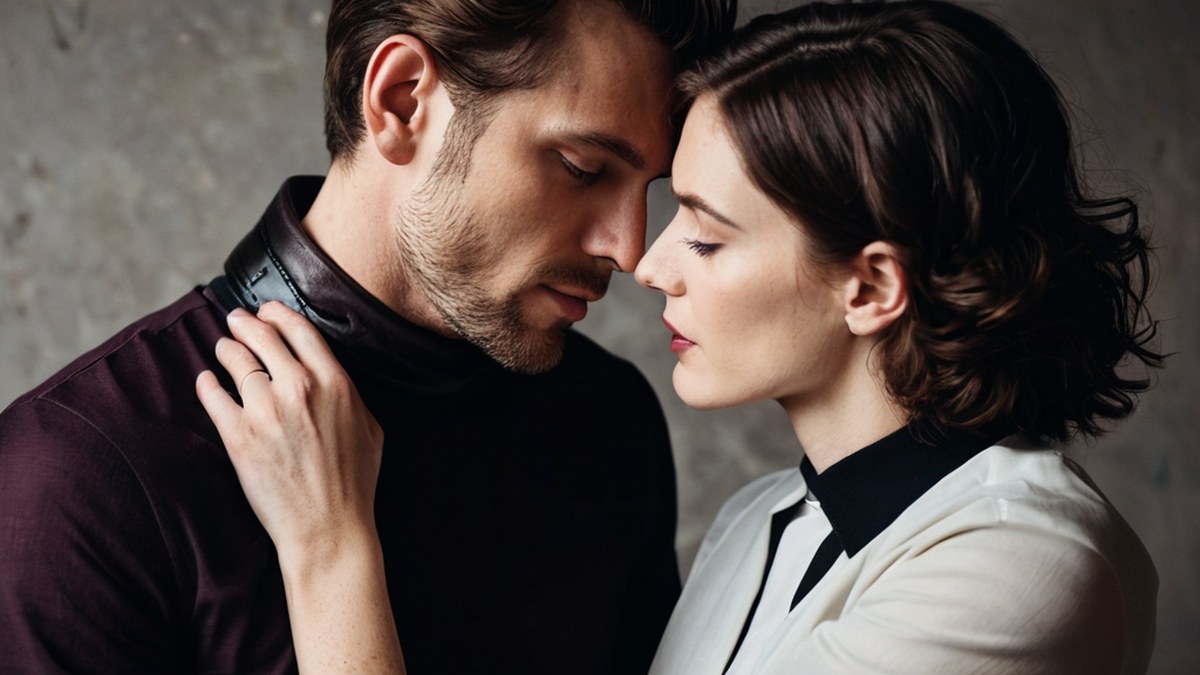
This gets said plainly because outsiders reliably get it wrong: pet play is consenting adults roleplaying a persona. It has nothing whatsoever to do with actual animals, and the community could not be clearer on the point.
The headspace
This is the part people struggle to put into words. Many describe “pup space” and its cousins as restful, simple, present, free of adult self-consciousness, nearer to subspace than to any performance. For most of them that state, more than any particular activity, is the whole draw, and if the draw is the part you’re still making sense of, a plainer introduction to pup, kitten and pony is a better starting point than a gear list.
The handler side
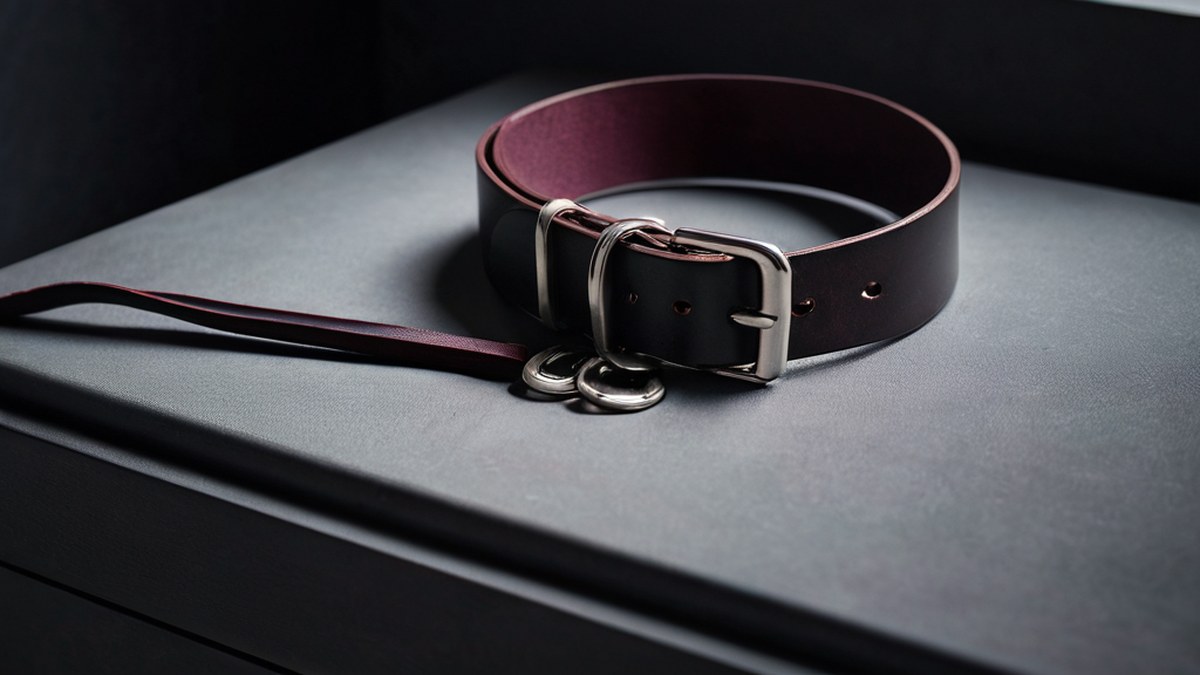
Where a pet exists, a handler or owner often does too, setting rules, giving direction, providing structure and care. That maps neatly onto ordinary D/s, though the care tends to matter more here than the authority does.
The social scene
Pup play especially runs meets, competitions and a visible presence at events. It is one of the more welcoming corners of kink, and a common way in for people who find the rest of it intimidating; types of kink events covers how to find that sort of thing.
Coming out of it
Pet headspace lands like any other. Water, quiet, human conversation, a bit of time to come back: aftercare applies here too, and people who go deep often need more of it than they expected.
FAQ
What gear do you need for pet play?
None of it, to begin with. Many people start with nothing but a collar and an attitude. The usual kit is hoods and masks, mitts, collars and leads, tails, knee protection, and for pony play the tack and posture equipment. There's a genuine hobby culture around it, with makers and real craft, but it's an addition rather than an entry fee.
What are the safety points in pet play?
Anything worn over the head must not restrict breathing or vision to a dangerous degree. Mitts and hoods take away your ability to speak and gesture, so agree a non-verbal signal beforehand. Knees and wrists take a beating, so pad them. And pony gear that affects posture or gait deserves the same care as any other restraint.