 BDSM.tech the plain-English kink reference
 Are Household Candles Safe for Wax Play? What to Use Instead
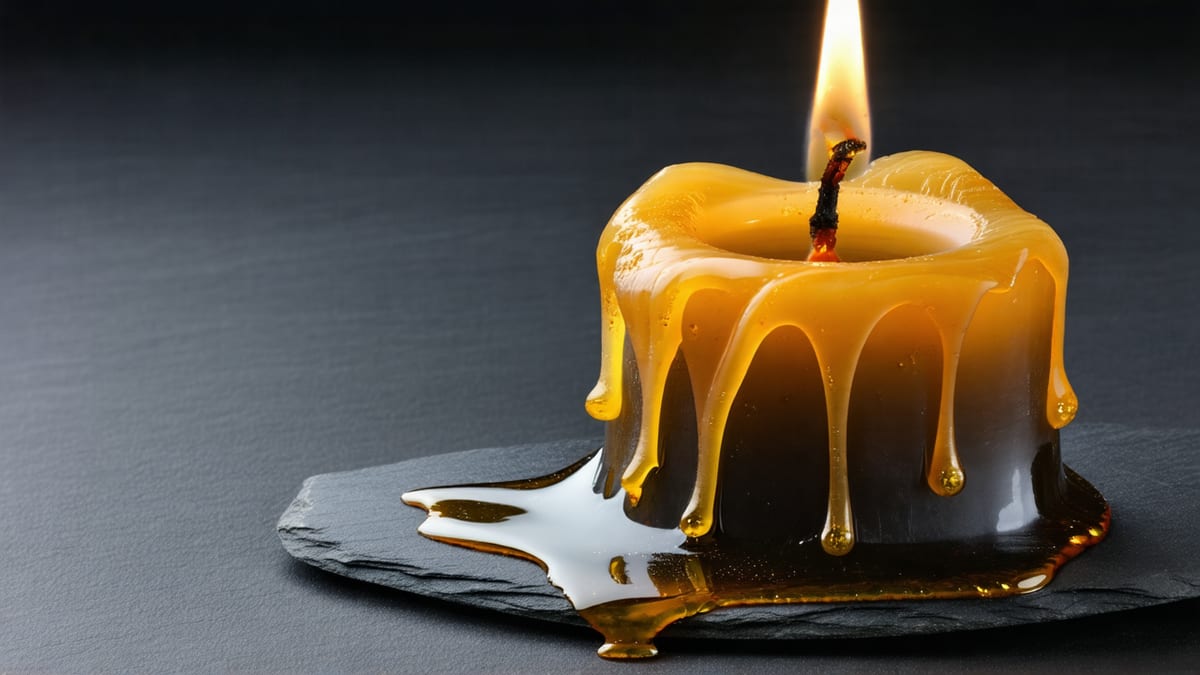
No, and the reason is worth understanding rather than just obeying. The candle on your kitchen shelf is a different object from the one sold for wax play, and that difference is what turns a warm, slow, sensual scene into a burn you’re dressing afterwards. Almost all of your safety here is decided at the shop, before anyone lights anything. This page takes the wanting for granted; what the warmth is supposed to feel like when it goes right is the other half of the subject.
Never use household candles
This is the line I won’t let a new couple cross. Ordinary decorative, scented, coloured and dinner candles are packed with hardeners, dyes and fragrance oils. Those shove the melting point up, often well past what skin can take, and they do it unpredictably. Scented ones also drip irritants onto skin you’re about to heat. A candle from the kitchen drawer isn’t a budget version of the proper thing. It’s a different object, and a more dangerous one.
Wax type is the whole safety question
Waxes melt at wildly different temperatures, and that number decides everything else. Soy melts coolest and forgives the most, which makes it the sensible place for a beginner to start. Low-temperature paraffin, the sort sold for exactly this, is the standard pick. Beeswax runs a good deal hotter. Leave it on the shelf until you know what you’re doing.
Height does the cooling
Wax cools as it falls. Drip from up high and it lands cool. Drip from close range and it lands hot. That single variable hands you most of your control over the intensity, and it’s the easiest thing in the whole scene to adjust on the fly.
Test first

Every session, on a small patch of somewhere fleshy. The outer thigh is a good spot. Candles behave differently even within the same type, so a batch you haven’t used before earns a test drip instead of a hopeful guess.
Where not to
Face and eyes, never. Genitals, no. Skip broken, irritated or sunburnt skin, and steer clear of a fresh tattoo. Don’t work over a patch you’ve just used for impact, because already-hot skin has no margin left. And keep it off anyone with reduced sensation in that spot, for reasons that should be plain.
Set up for it

Cover your surfaces, because this gets messier than people picture. Keep cool water or a damp cloth in reach. Make sure the candle sits stable and nowhere near anything that can catch. And remember that a bound bottom can’t move away from a mistake, which is the whole reason adding restraint raises the stakes here.
Removal
Let it set, then lift it off. A blunt edge like an old plastic card does the job. Shaving the area first makes it come away far more easily and hurts a lot less. A little oil or lotion on the skin beforehand helps it release too.
If it burns
Cool running water, not ice. Leave any blisters alone. Anything past surface redness, anything blistering across a wide area, or any burn somewhere sensitive stops being a scene question and turns into a medical one. This is general information rather than medical advice, and a burn that worries you is worth showing to a professional.
FAQ
Can you use ordinary household candles for wax play?
No. Decorative, scented, coloured and dinner candles are packed with hardeners, dyes and fragrance oils, and those shove the melting point up unpredictably, often well past what skin can take. Scented ones also drip irritants onto skin you're about to heat. A candle from the kitchen drawer isn't a budget version of the proper thing, it's a different and more dangerous object.
What candles are safe for wax play instead?
Low-temperature paraffin candles made for the purpose, and soy candles, which melt considerably cooler. Beeswax runs a good deal hotter, so leave it alone until you know what you're doing. Then drip from height so the wax cools on the way down, and test on a small patch of somewhere fleshy first.